If you like to read this homepage in English, please go to the bottom of the website and click on "English" to have it translated .
FIND INNER HARMONY THROUGH PAINTING
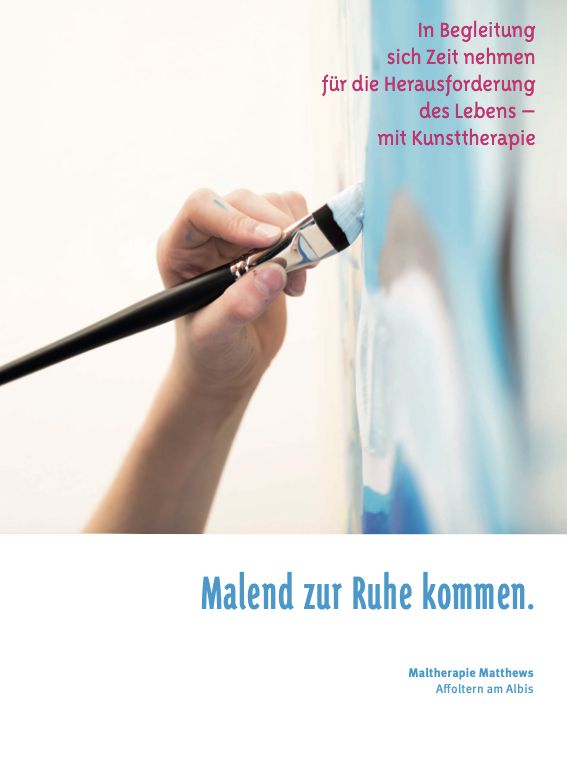
Making time to work through life's challenges, guided through the process - by art therapy
Art therapy is considered one of the psychodynamic forms of therapy
Art therapy is suitable for discovering new courses of action that were previously not considered. Often our own patterns, social expectations, and family systems prevent us from living the life we would like.
-
Do you have no energy for social contacts and other beneficial activities?
-
Do you find it difficult to engage with your future?
-
Are you experiencing psychological distress that is affecting your quality of life?
-
Do anxieties remain persistent?
In these life situations, art therapy can support you: it helps you discover new perspectives, regain energy for life, and strengthen your self-acceptance.
My working philosophy is based on the belief that each person follows an individual life path. Some faced challenges already in childhood, while others have become alienated from their own identity over the course of their lives. Life events can also knock us off course, and we may no longer manage to regulate ourselves on our own. I am happy to support you in finding your own way back to a vital, engaged life.
To see new possibilities in life
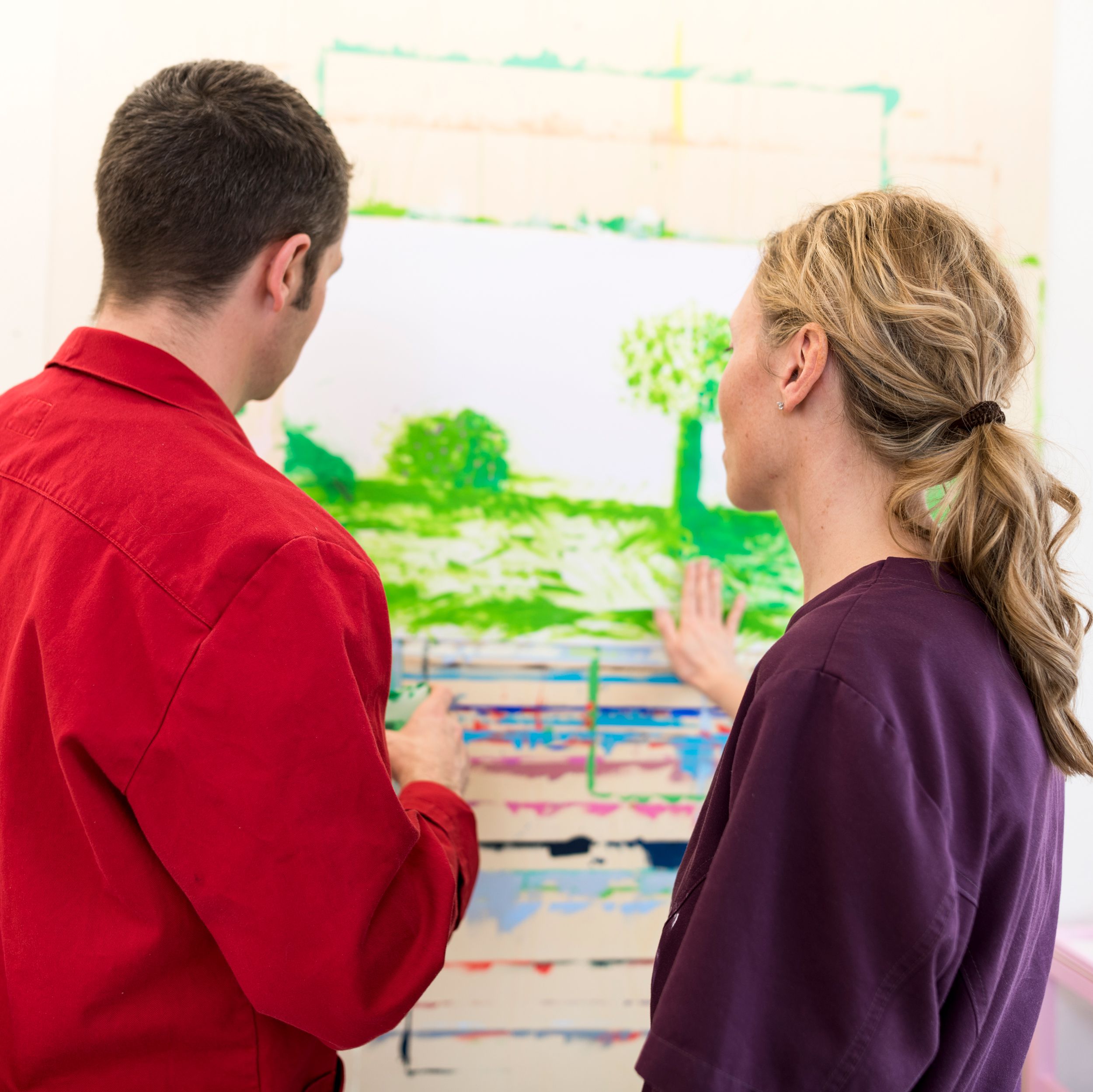
The therapeutic conversation and the active process of painting can help us, with guidance and some distance, to engage with a distressing concern.
It's about finding your own room to act and reconnecting with your hopes for life.
Creativity helps us build resilience so we can respond better to difficult and stressful life situations.
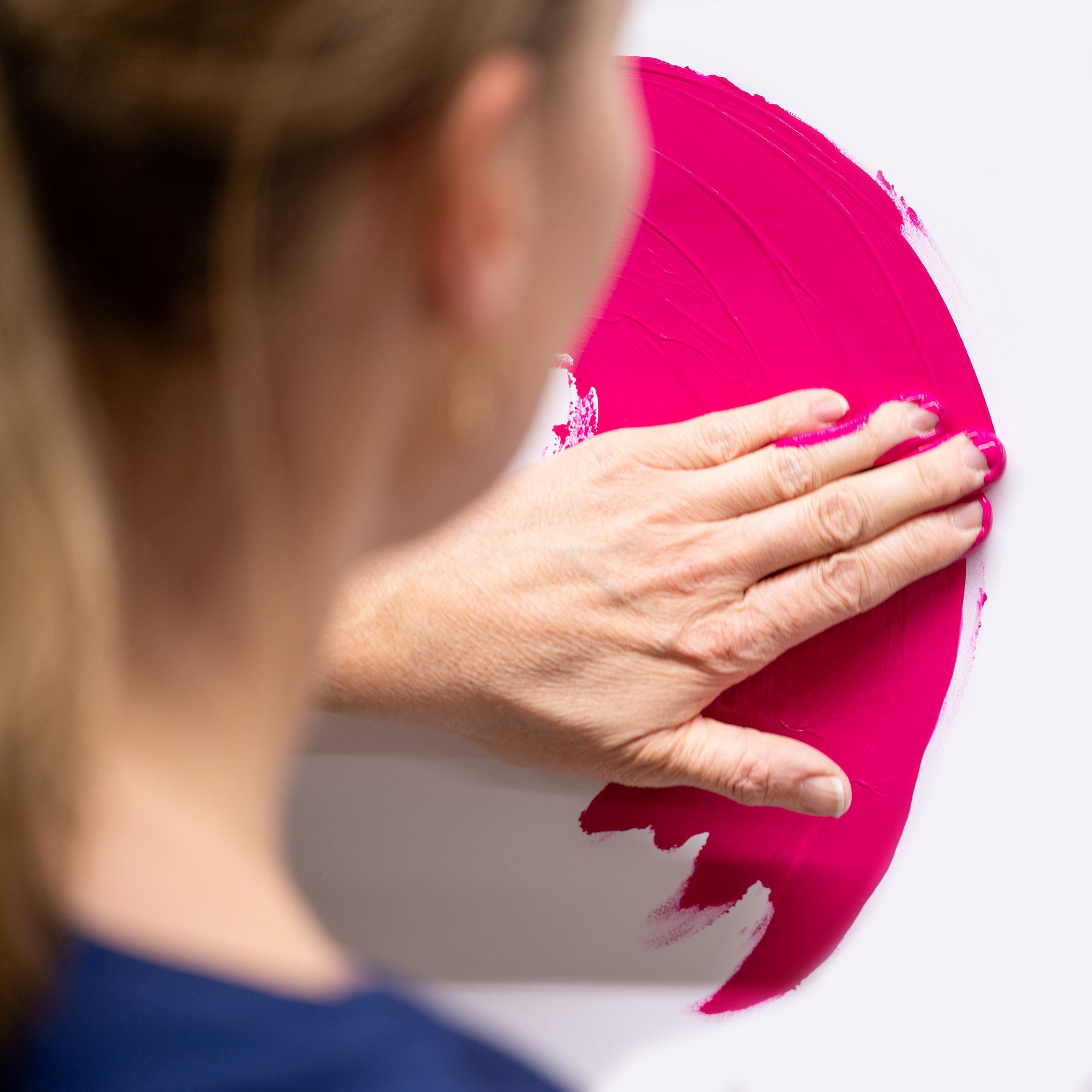
Regulation of the nervous system
Through self-regulation while painting and supportive guidance, we can move into relaxation and give the nervous system a cue to calm down. The system is no longer on high alert. This makes it possible to keep our attention fully on ourselves and relate to ourselves. The mind and body get a chance to rest.
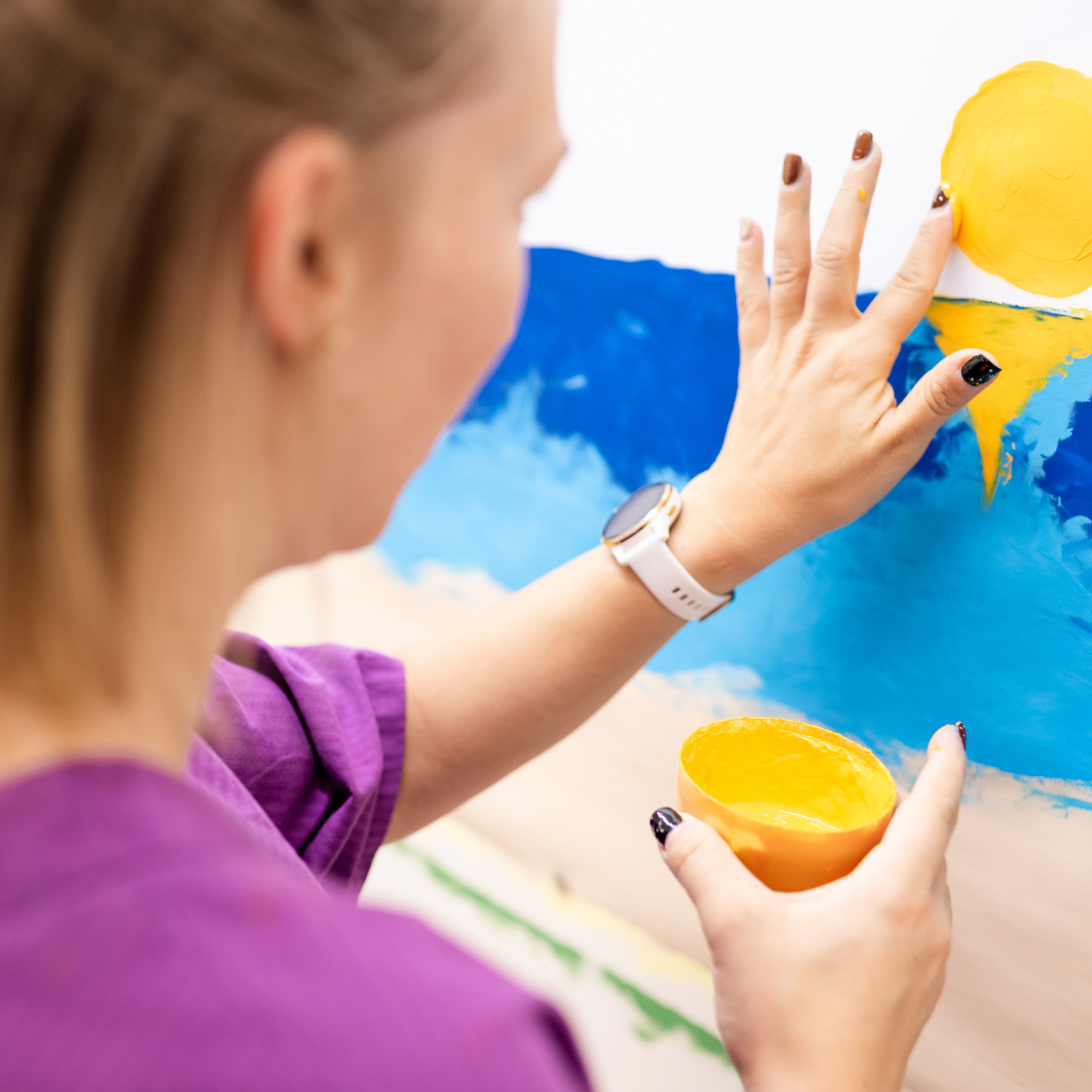
The creative process brings back our life energy
While painting, fatigue is perceived differently and pain recedes into the background. Painting lets you experience yourself as active. Through intuition and creativity, you begin to feel renewed life energy.
My art therapy methods
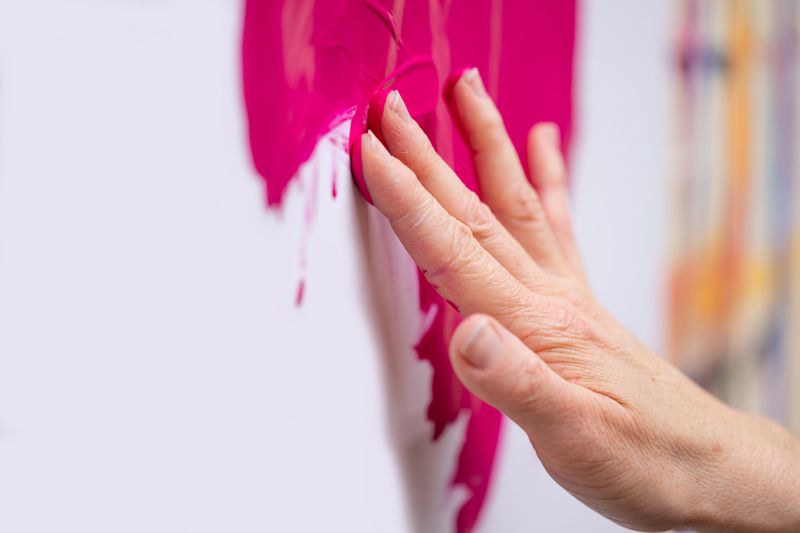
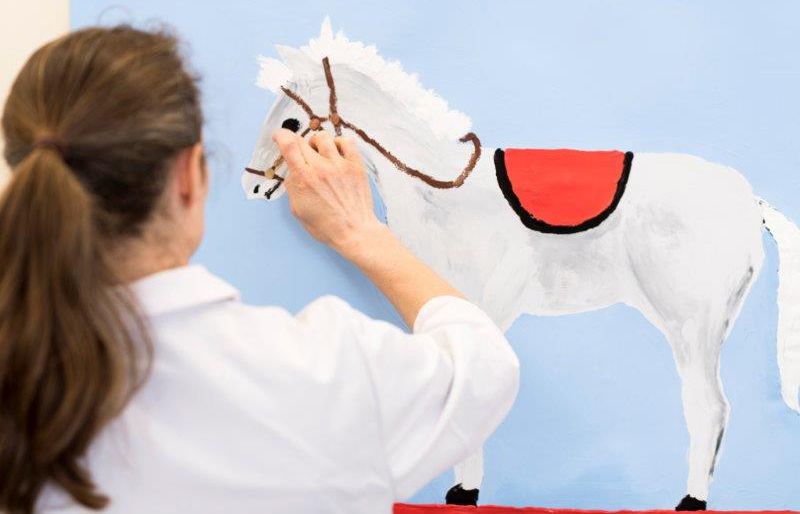
Person-oriented painting therapy POM
Today it's difficult to listen to your feelings and follow your intuition. Our own needs often fall into the background. Being present in the here and now and giving time to self-awareness is becoming increasingly hard.
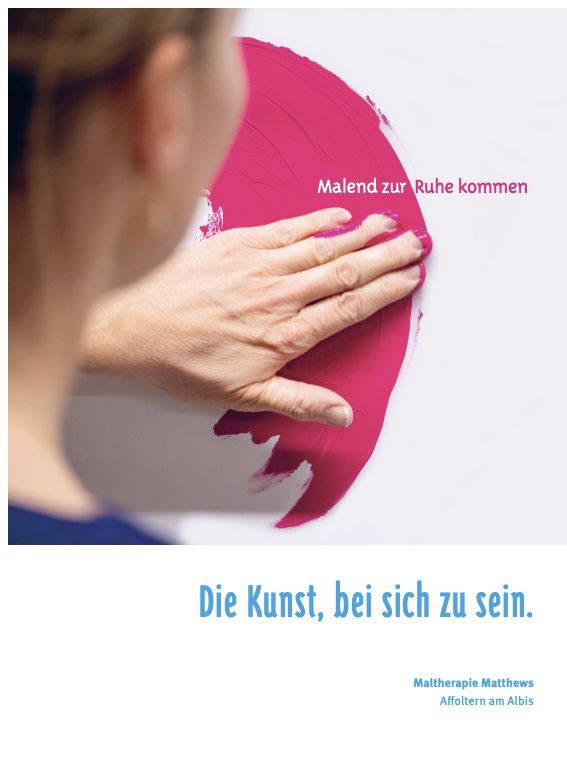
Intuitive painting helps us connect with our own feelings, experience self-efficacy, and find self-acceptance.
In humanistic art therapy, images are not interpreted and colors are not assigned to specific feelings or states. The process of painting is what matters.
Solution-focused painting therapy LOM®
A structured and evidence-based method
The primary focus of Solution-Focused Painting Therapy (LOM®) is calming the autonomic nervous system.
In any life situation, we feel the need to be in control of our emotions — not the other way around. Still, there are situations where we are overwhelmed by feelings or unable to think clearly.
Restorative sleep is replaced by aimless rumination, driving our nervous system to its limits.
Through the structured method and calm painting, distressing emotions and bodily sensations can be regulated.
Additionally, Solution-Focused Painting Therapy (LOM®) is suitable for trauma, post-traumatic stress disorder, and panic attacks. Negative memories as well as distressing emotions and bodily sensations are neutralized in the process.
Link: Research results on the LOM® methode
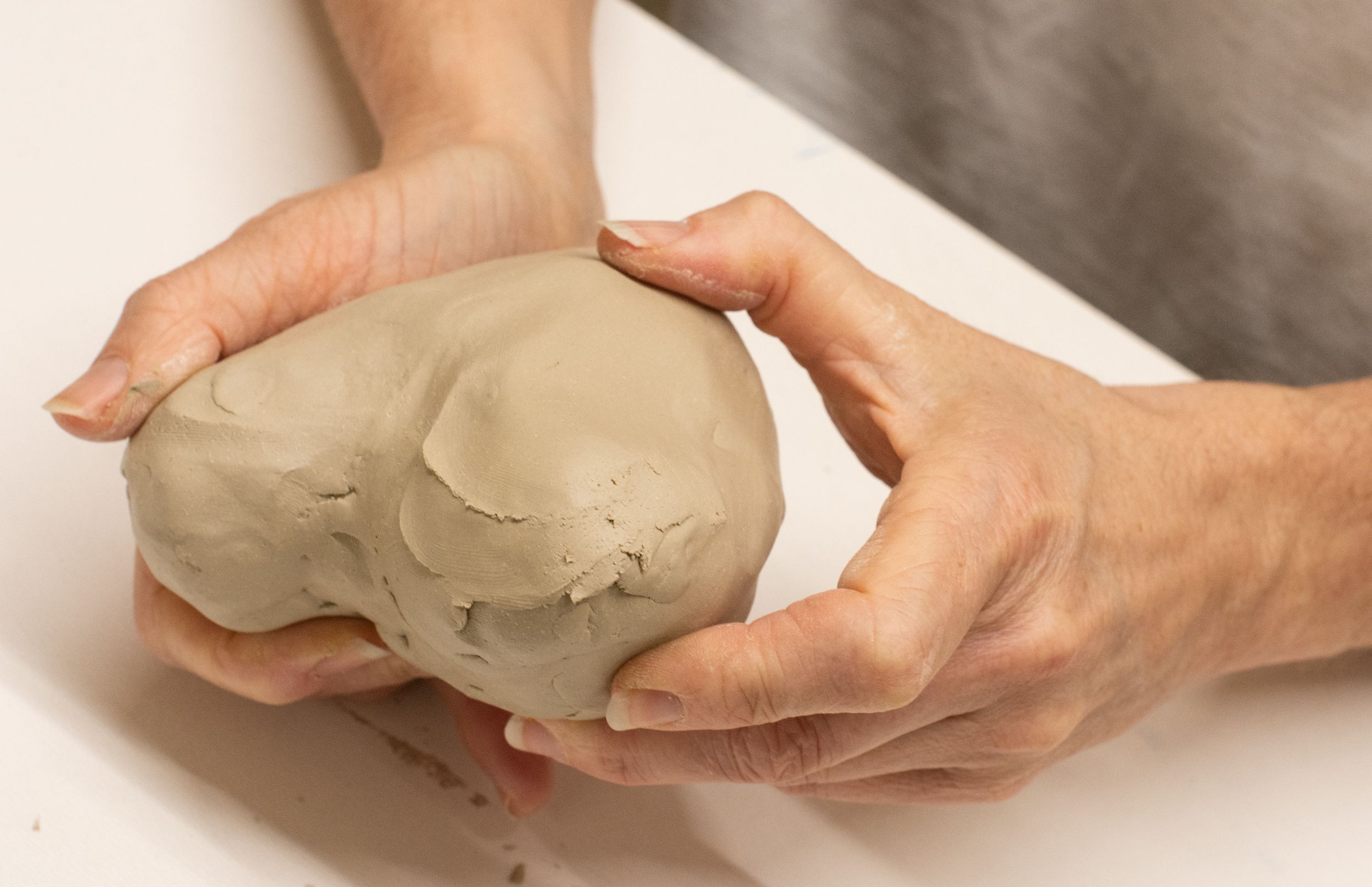
Object-centered art and painting therapy
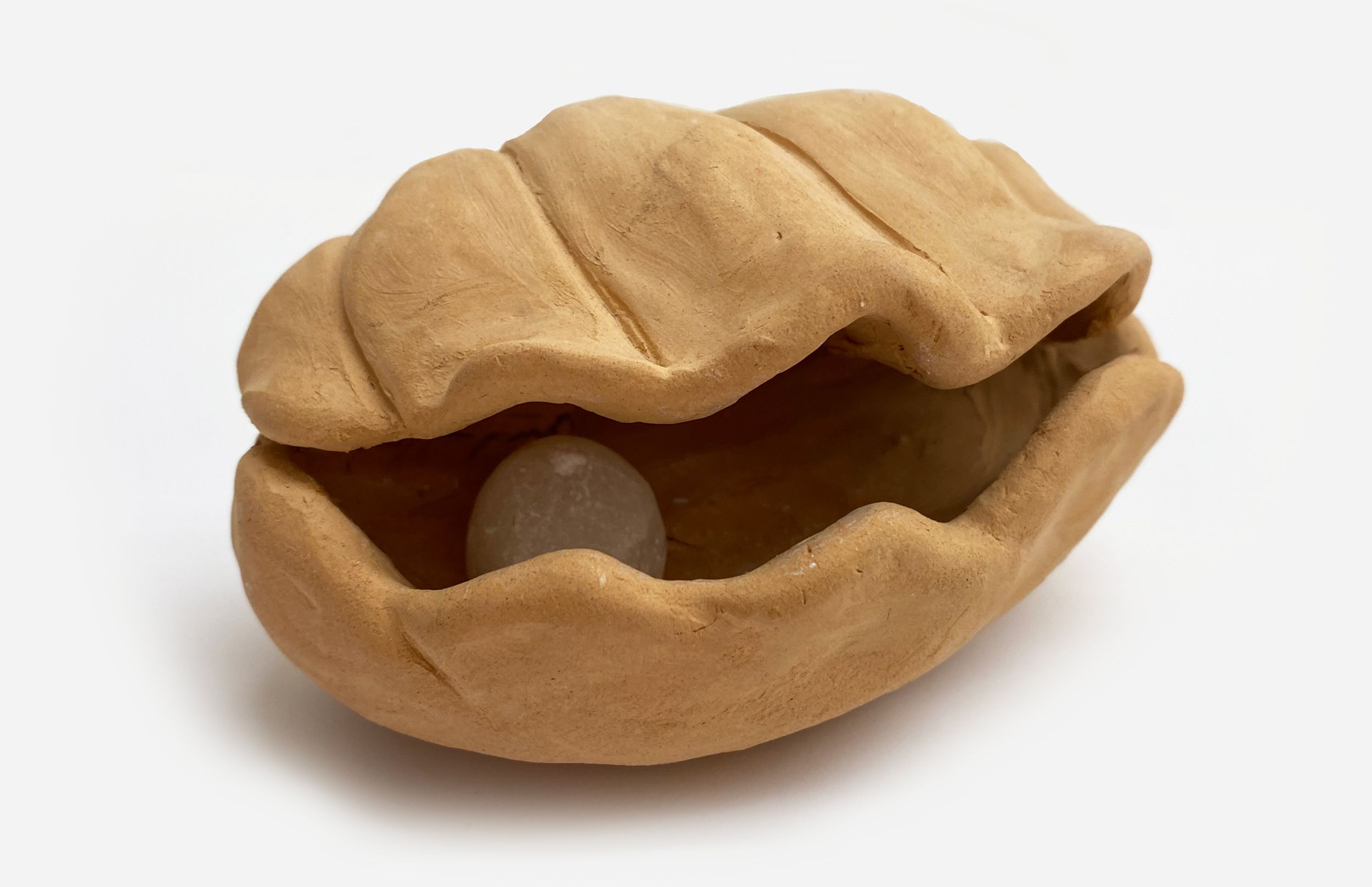
In art therapy, various materials are used — for example, clay. Working with clay allows us to promote haptic perception. Through the skin's receptors, the natural material is perceived as grounding via touch, pressure, and temperature.
It starts with spontaneous work in clay that invites playful improvisation — making, changing, reshaping, and sometimes discarding until, slowly, a clear form emerges.
It can be used as a starting point or a restorative pause during therapy.
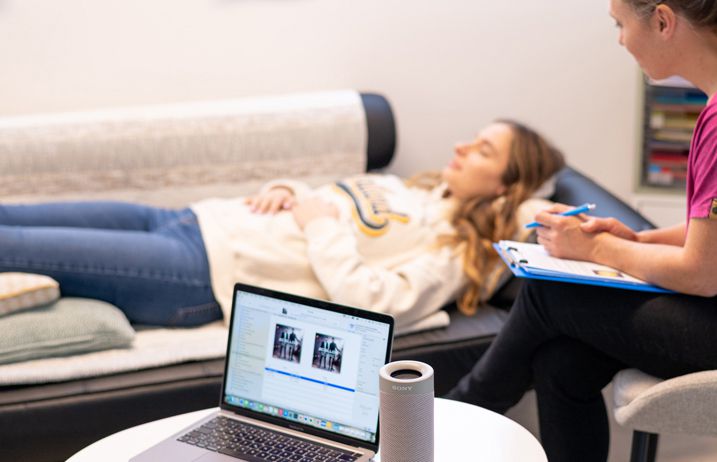
Music-imaginative methods (MiMe)
Music can instantly help people connect with their inner selves.
In a music-imagination session (MiMe), music guides us to our inner images and feelings. Resources are activated, and imagination is stimulated.
Listening takes place sitting or lying in a meditative wakeful state. The music is chosen together. Afterwards, you can create a "resonance" painting to visualize the experience and integrate the insights.
I will accompany you on your journey of discovery.
Indications for art therapy
-
Coping with illness (curative & palliative)
-
Auseinandersetzung mit Krankheit (kurativ & palliativ)
-
Förderung der Selbstwahrnehmung und Fremdwahrnehmung
-
Promotes self-efficacy and self-awareness
-
Conflicts in relationships
-
ADS & ADHS & Autism spectrum disorder
-
Processing birth trauma
-
Support during separation or divorce.
-
Depression
-
Burnout
-
In acute and chronic illness
-
For anxiety and panic attacks
-
Obsessive–compulsive disorder (OCD)
-
Trauma (accident, abuse, emotional/psychological injuries, hospitalization)
-
Gender identity exploration
Supervision
Art therapy supervision is specifically tailored to the professional field and work context of art therapists.
The goal is to review and improve art‑therapeutic practice and develop therapeutic competencies.
Supervision includes discussions and the use of various artistic media such as music, visual art-making, body expression, role-play, and poetry.
These methods promote a holistic approach that encourages creative review and improvement of one's practice while supporting self-reflection and personal development.
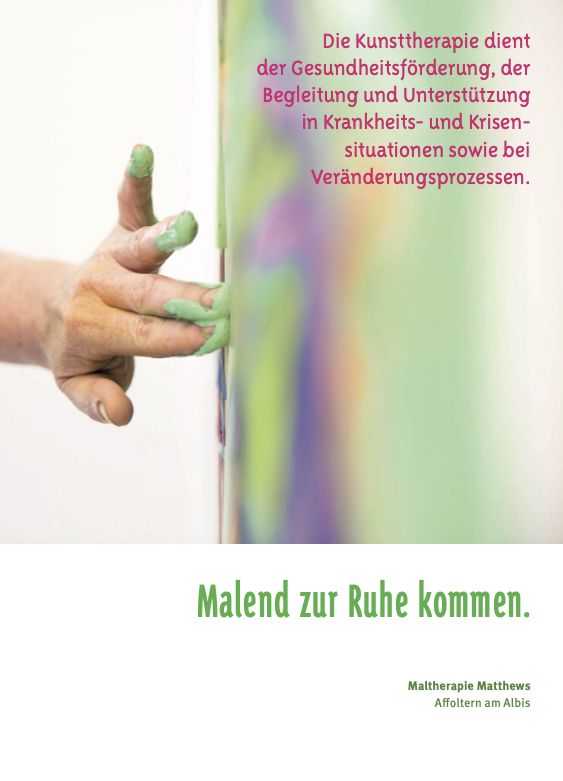
The flyers below are available to download/view as PDF files.
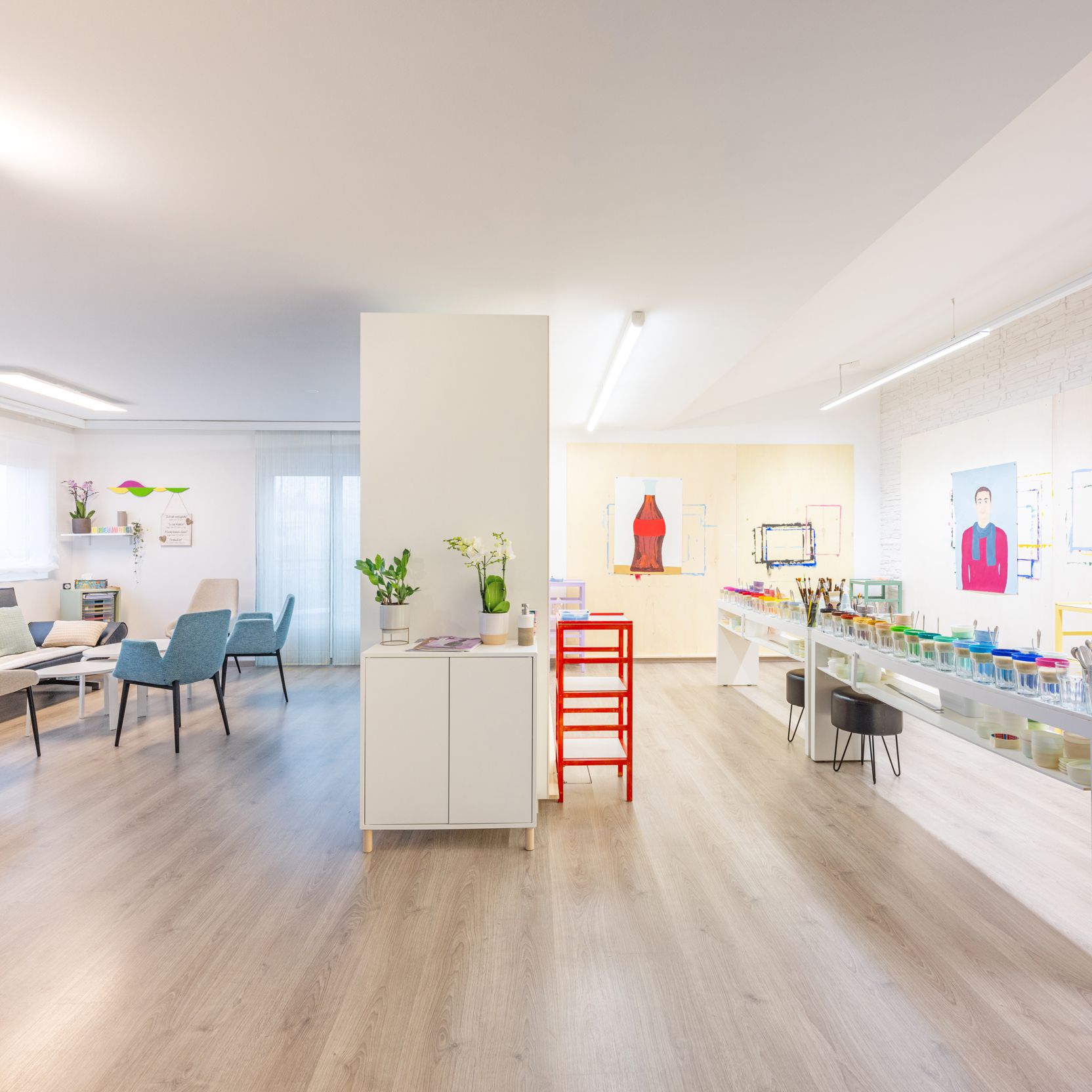
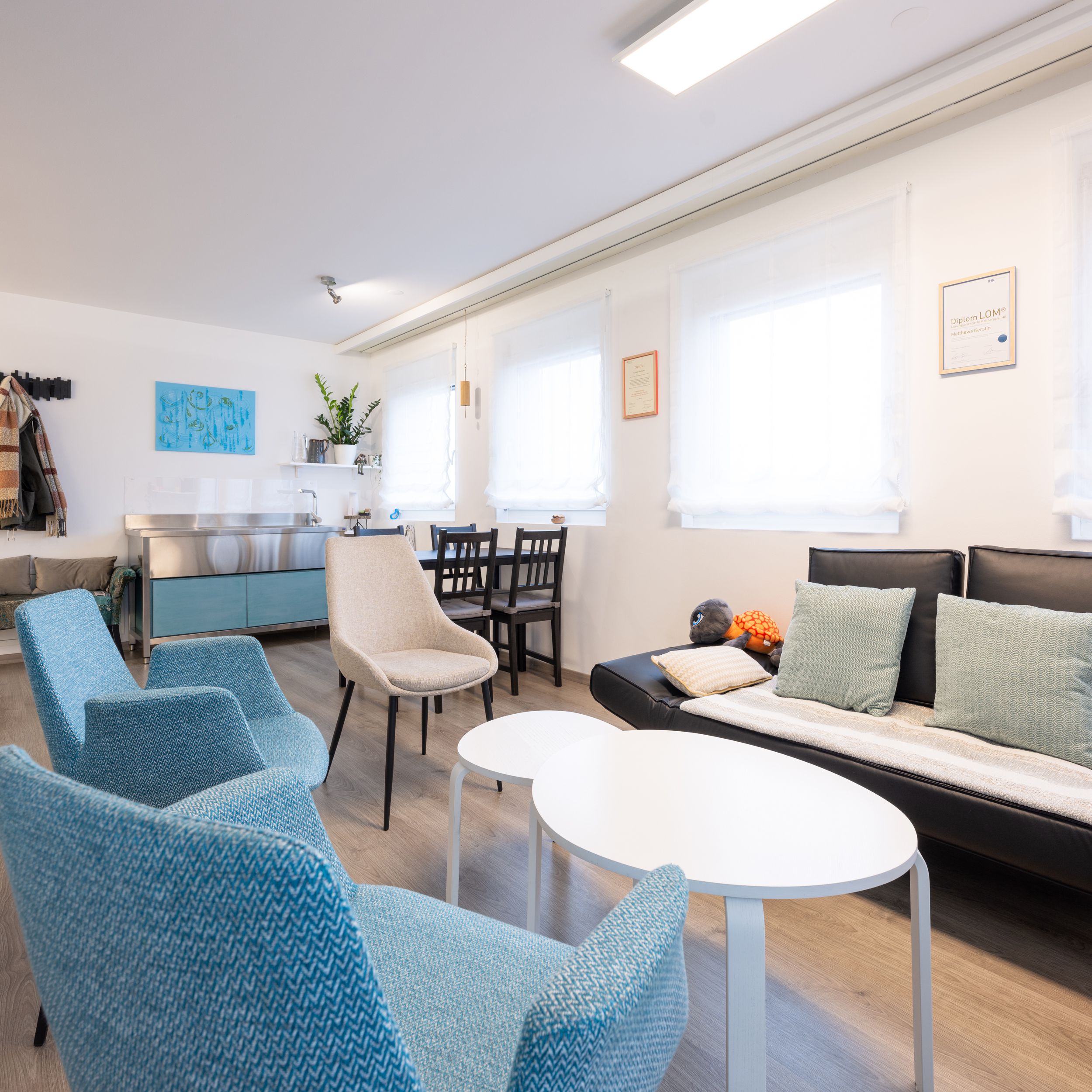
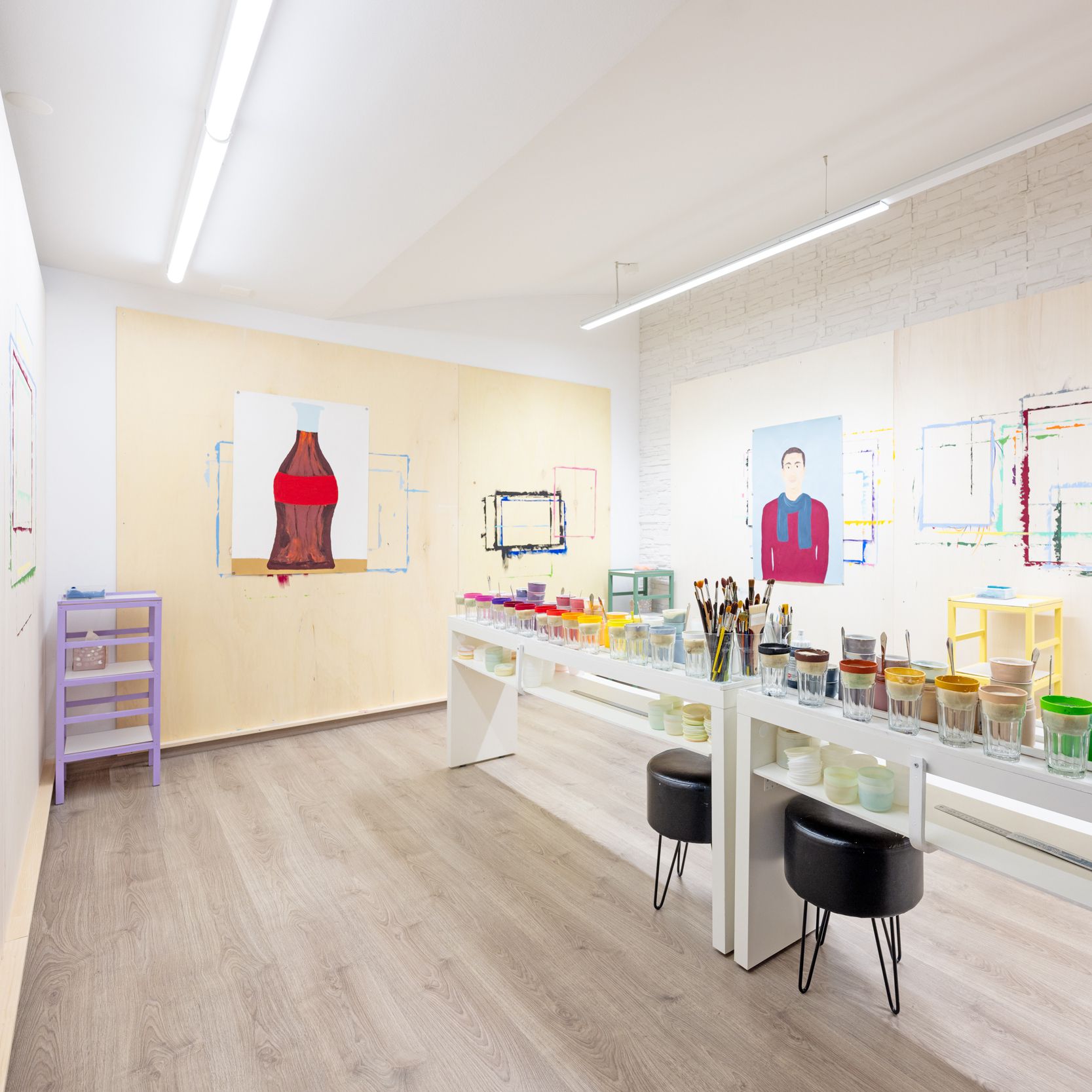
A glimpse into my painting studio, located in Affoltern am Albis